
News Summary
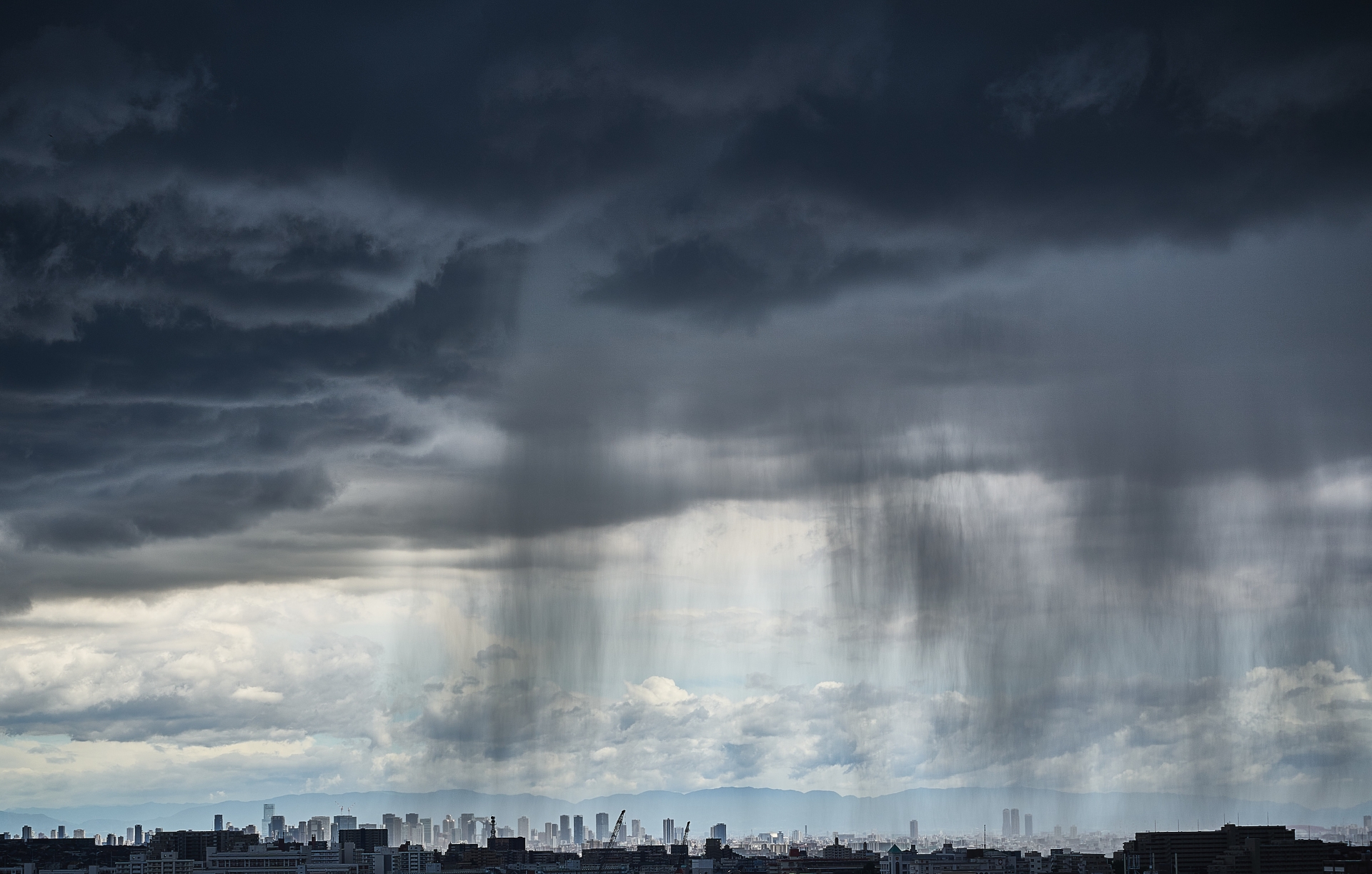
Camera footage is reported to have captured how the former Expo site at Yumeshima was inundated almost instantly following a localised torrential downpour near the island.
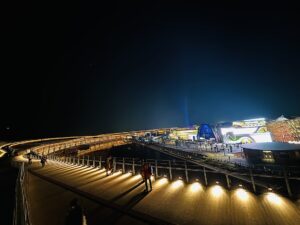
According to a report by Kansai Television, a localised torrential downpour struck the Yumeshima area of Osaka on the evening of Saturday, 15 August 2026, rapidly inundating the former site of the 2025 Osaka-Kansai World Expo shortly after the event’s conclusion. Fixed surveillance camera footage confirmed that the ground was submerged within a matter of minutes, with water levels rising visibly between approximately 17:27 and 17:47. Japan Meteorological Agency records for the same day show that the Osaka Observatory (Chuo Ward, Osaka City) registered only 0.1 mm of rainfall in the 16:00 hour, 0.5 mm in the 17:00 hour, and 0.4 mm in the 18:00 hour — indicating that the flooding at Yumeshima was an exceptionally localised phenomenon markedly different from conditions measured at the central city station. Yumeshima is an artificial island in Osaka Bay, and drainage challenges inherent to reclaimed land have been flagged as a concern since the island’s early development stages. During the summer months, when atmospheric instability is common along the Osaka Bay coastline, episodes of sudden, intense rainfall are likely to recur. The former Expo site is scheduled to be redeveloped as the land base for the integrated resort (IR) project, and the flooding incident has reignited debate over the design of stormwater and drainage infrastructure for the area.
Business Impact Analysis
The flash flooding event at Yumeshima has underscored the critical importance of robust drainage infrastructure ahead of IR development on the island.
For the construction and infrastructure sector, the incident may necessitate a fundamental reassessment of design specifications for stormwater drainage systems and ground improvement works, with localised cloudburst scenarios built into baseline assumptions. Yumeshima’s status as reclaimed land also carries acknowledged subsidence risks; should additional countermeasures such as secured drainage gradients or underground retention facilities prove necessary, these could become a meaningful source of cost overruns.
For the real estate and investment sector, the incorporation of climate risk into land valuations and insurance premiums raises concerns about the overall financial projections for the IR venture.
For the tourism and hospitality sector, ensuring visitor safety and maintaining reliable facility access are directly linked to the site’s drawing power, placing greater scrutiny on the rigour of business continuity planning (BCP).
In the IT and technology space, demand is likely to grow for solutions such as real-time meteorological monitoring systems and IoT sensor-based flood detection and automated drainage control platforms.
With the frequency of localised heavy rainfall events on an upward trend as a consequence of climate change, embedding resilience measures from the earliest planning stages of the Yumeshima development will be indispensable — both for mitigating project risk and for maintaining investor confidence.
Editorial Review
Yumeshima is an approximately 390-hectare artificial island in Osaka Bay, and the ground stability and drainage challenges inherent to reclaimed land have been raised repeatedly since the preparatory phase of the World Expo. The flooding reported on this occasion suggests that, in the post-Expo period, the cleared former site had limited drainage capacity — conditions close to bare ground. As the IR construction phase advances, the installation of more sophisticated stormwater management infrastructure will be essential.
Among the key risk factors is the increasing frequency of concentrated heavy rainfall associated with climate change. Japan Meteorological Agency data indicate that the annual number of short-duration intense rain events recording 50 mm or more per hour in the Kinki region has been on an upward trend, and IR facility design standards will need to accommodate scenarios that exceed conventional rainfall assumptions. The compounding risk of land subsidence must not be overlooked either; the possibility that drainage gradients may not perform as designed should be addressed at the engineering stage.
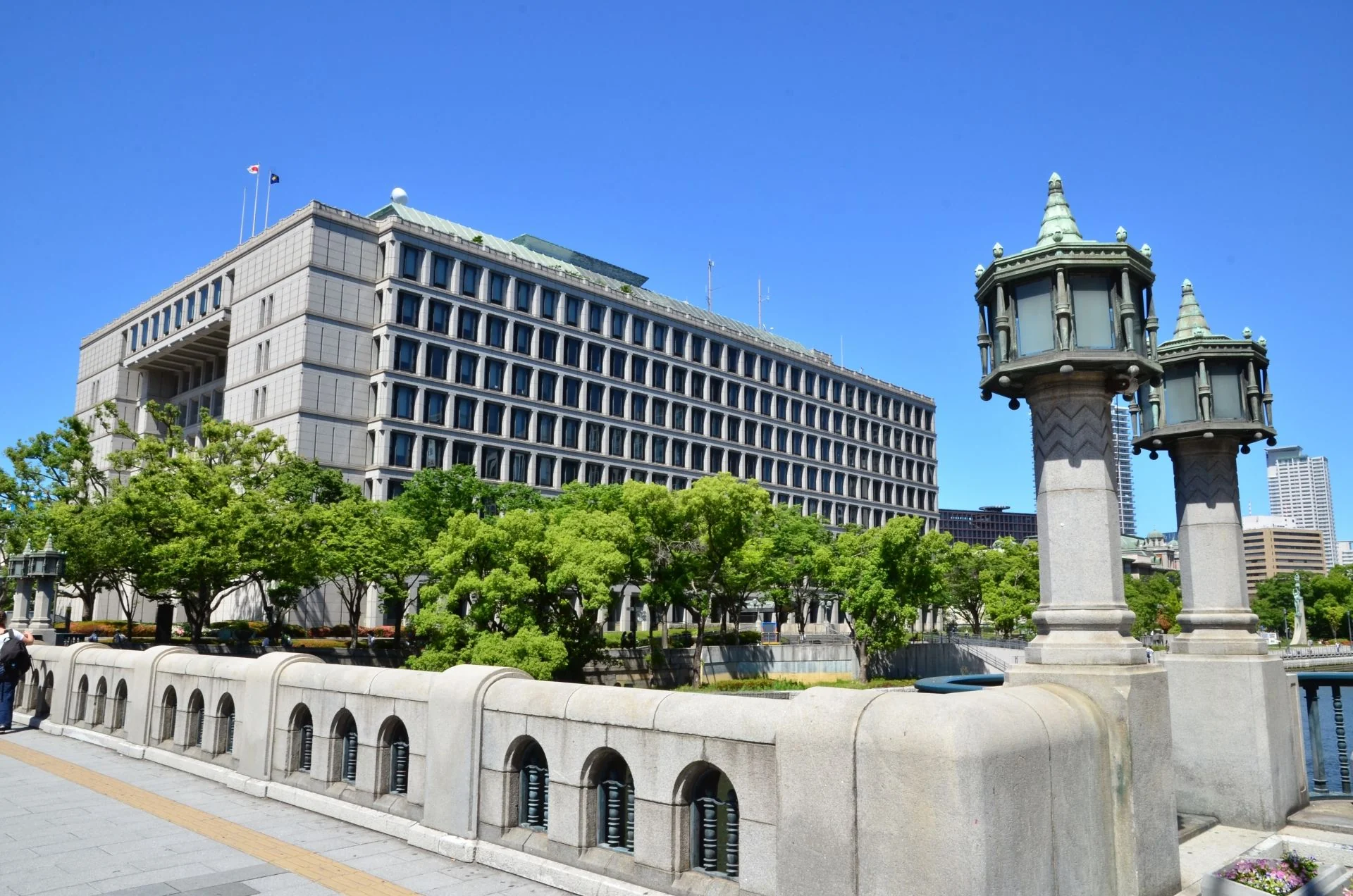
From a policy standpoint, the adequacy of the disaster-preparedness and infrastructure standards set out by the City of Osaka and Osaka Prefecture in the IR District Development Plan will face renewed scrutiny. Following the storm surge damage caused by Typhoon Jebi in September 2018, the City of Osaka established a ‘Study Group on Storm Surge Countermeasures in Osaka Port’ and has been advancing flood-mitigation works for coastal and reclaimed-land areas, including the raising of harbour seawalls (target completion: fiscal year 2032). How Yumeshima’s drainage infrastructure is positioned within this broader storm surge and reclaimed-land flood-mitigation framework is set to become a key point of discussion.
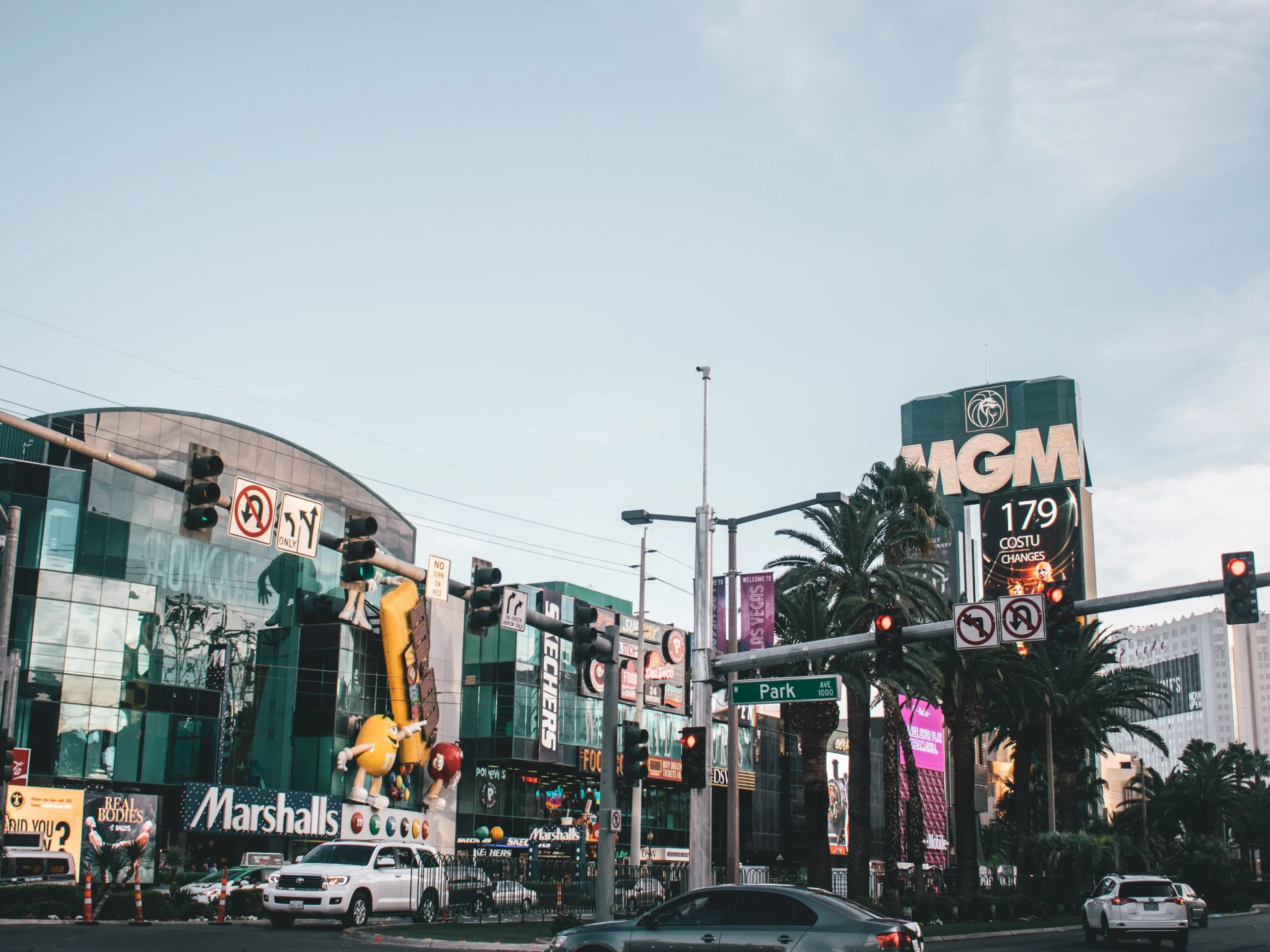
For MGM Osaka Co., Ltd. — the operating entity centred on MGM Resorts International and Orix Corporation — resilience-oriented facility design is a strategic priority, given its direct bearing on post-opening operating costs and insurance premium rates.
For business professionals seeking commercial opportunities in this space, promising areas include disaster-resilience infrastructure technologies such as drainage pumps, underground retention tanks, and permeable paving materials; IoT-enabled real-time weather and flood monitoring systems; and climate risk assessment consulting services. Participation in building the disaster-resilience foundation of a large-scale IR project of this magnitude would carry significant weight as a reference case for similar projects both domestically and internationally.
Sources
- https://www.data.jma.go.jp/stats/etrn/view/hourly_s1.php?prec_no=62&block_no=47772&year=2026&month=8&day=15&view=p1
- Kansai Television (Kansai TV), report on the localised torrential downpour near Yumeshima, 15 August 2026 (original article no longer publicly available)
This article was produced with the assistance of AI and checked for accuracy by a human editor before publication. Please always verify against the original sources before making any business or investment decision.