






News Summary
While a certain level of progress can be acknowledged in areas such as construction commencement, equity contributions by core shareholders, and advances in liquefaction countermeasure works, the concretization of promotional efforts and visitor-attraction measures aimed at increasing foreign visitor numbers was identified as a priority.
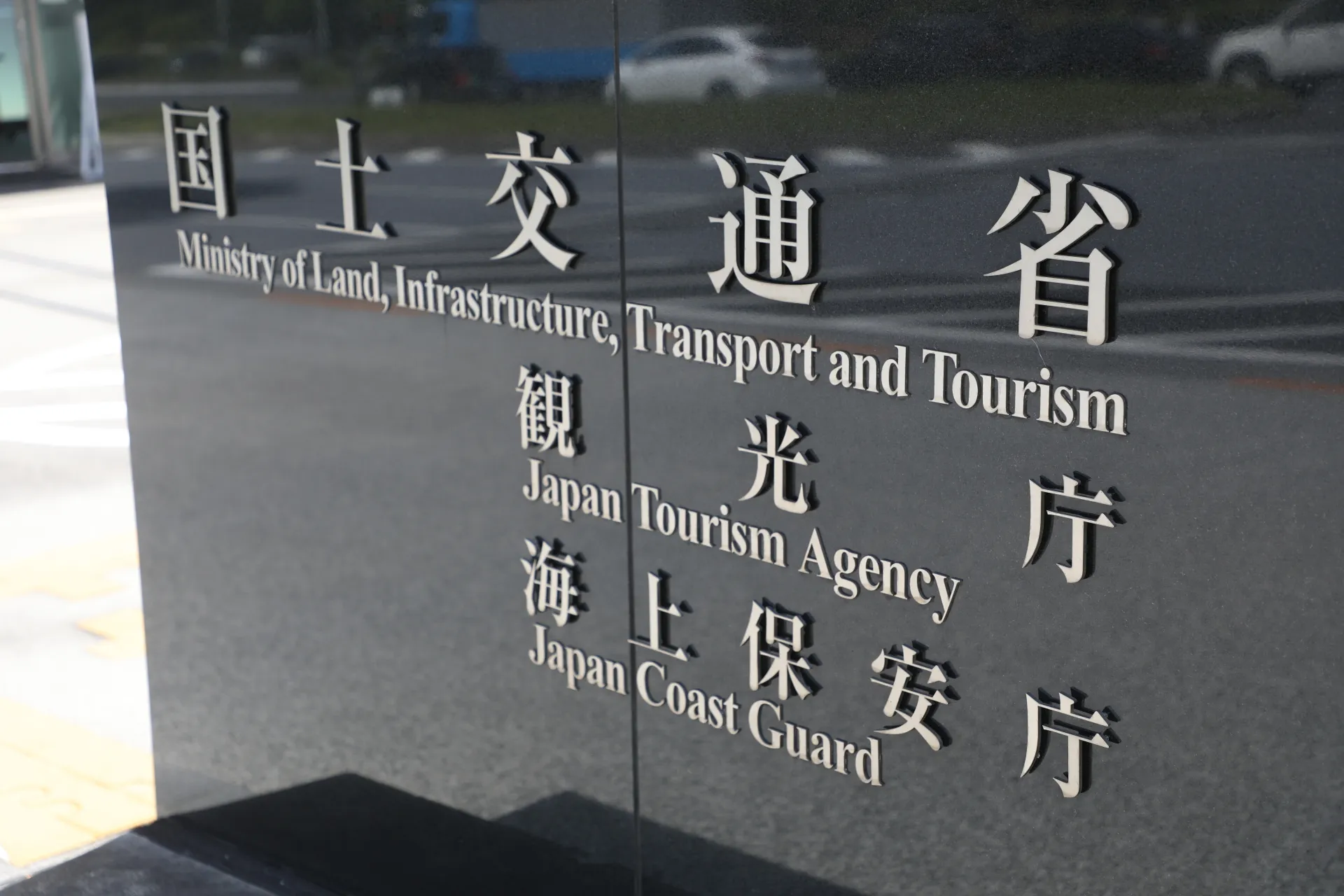
The Japan Tourism Agency (JTA) published its fiscal year 2025 implementation assessment of the Yumeshima district area development plan for the Osaka integrated resort (IR) on October 9, 2026, pursuant to Article 37 of the IR Development Act. The assessment acknowledged ‘a certain level of progress’ in the completion of detailed design and commencement of construction works for IR facilities, equity contributions by core shareholders, and progress on liquefaction countermeasure works. At the same time, the JTA noted that visitor demand projections had only been confirmed against unchanged baseline assumptions, and called for closer attention to demand trends among specific target segments, including business travelers. The agency also identified several outstanding challenges: the need to develop concrete promotional and visitor-attraction measures to increase inbound foreign visitors; the need to begin examining how casino revenues will be directed toward stable reinvestment in non-casino operations; the importance of avoiding over-reliance on visitors of any particular nationality; and the requirement to respond to evolving needs among foreign tourists visiting Japan. The JTA further requested that future progress reports be supported by objective, measurable indicators.
Business Impact Analysis
The assessment affirms hardware progress while strongly urging the concretization of software-side measures, with implications across a broad range of sectors linked to the Osaka IR.
In construction and infrastructure, the government’s formal confirmation that liquefaction countermeasure works and facility construction are proceeding as planned reduces operational continuity risk for general contractors and subcontractors alike. However, the requirement to submit objective indicators in future progress reports may generate new demand for IT and technology providers offering construction management and monitoring tools.
The implications for tourism and hospitality are particularly significant. The call to monitor demand trends among business travelers and to avoid over-dependence on visitors of any single nationality will likely compel a rethinking of MICE attraction strategies and promotional approaches. For travel agencies, destination management organizations (DMOs), and digital marketing firms, this may translate into concrete mandates for target-specific visitor acquisition consulting.
For the investment and finance sector, the requirement to begin examining how casino revenues will be sustainably reinvested in non-casino operations warrants close attention. Greater transparency in revenue allocation could be a positive signal for institutional investors and project finance evaluations, while delays in establishing clear distribution rules risk being perceived as a source of uncertainty in business planning.
Editorial Review
This assessment is the first annual implementation review conducted by the national government under the IR Development Act to cover a fiscal year that includes the April 2025 groundbreaking. The ‘certain level of progress’ acknowledged for hardware milestones — including the commencement of construction and the execution of equity contributions — constitutes the government’s official confirmation that the project remains on track following the April 2025 start of works. This is broadly consistent with remarks by an Orix executive, reported by this publication in May, indicating that hardware development was on course — as covered in Osaka IR: Employee Housing Next on the Agenda as Orix Executive Highlights Hardware Progress.
The more pressing risk factor lies in the multiple software-side shortcomings identified in the review. The finding that visitor demand projections have only been ‘confirmed against unchanged baseline assumptions’ suggests concern that demand forecasting has not been meaningfully refined. The calls to avoid over-reliance on visitors of any particular nationality and to respond to evolving inbound tourism needs connect directly to the structural shifts in the Asian casino market that this publication examined in July in Analyzing Sands China’s Revenue Decline Through the Lens of the Osaka IR.
On the policy implications, the requirement to begin examining how casino revenues will be reinvested in non-casino operations carries considerable weight. It signals that the fundamental mechanism of the IR model — channeling casino earnings to support non-gaming facilities such as international conference centers and exhibition venues — is now under active scrutiny.
Going forward, the national government will require reporting against multiple performance targets and objective indicators, making KPI design and the approach to information disclosure key focal points for the next assessment cycle.
For business professionals seeking opportunities, the call to develop concrete promotional measures represents the most direct commercial opening. Demand for external partners in areas such as multilingual marketing, data-driven demand analysis, and MICE attraction consulting is likely to grow. The commencement of discussions on casino revenue allocation also signals expanding scope for operators involved in the planning and management of non-casino facilities.
Sources
- https://www.mlit.go.jp/kankocho/content/002026128.pdf
- https://www.mlit.go.jp/kankocho/content/002026127.pdf
- https://www.travelvoice.jp/20261009-160656
- https://www.pref.osaka.lg.jp/o080020/irs-kikaku/kousou/index.html
- https://www.pref.osaka.lg.jp/irs-kikaku/suishinkaigi/index.html
This article was produced with the assistance of AI and checked for accuracy by a human editor before publication. Please always verify against the original sources before making any business or investment decision.