


News Summary
Analysts warn that if People Inc.’s proposed acquisition of MGM Resorts succeeds, the Osaka and Macau casino operations could be divested.
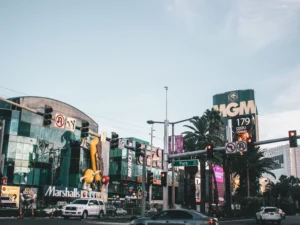
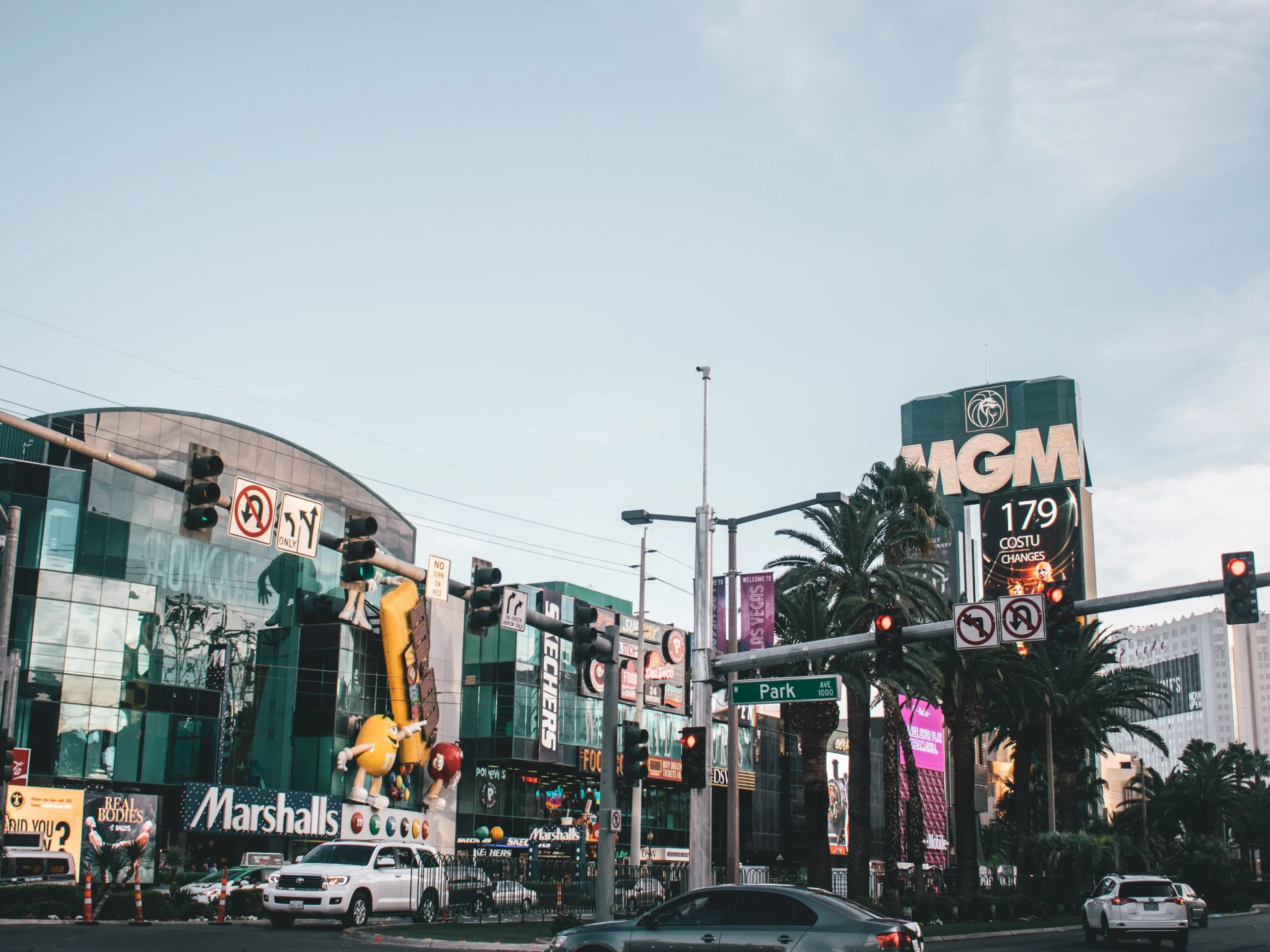
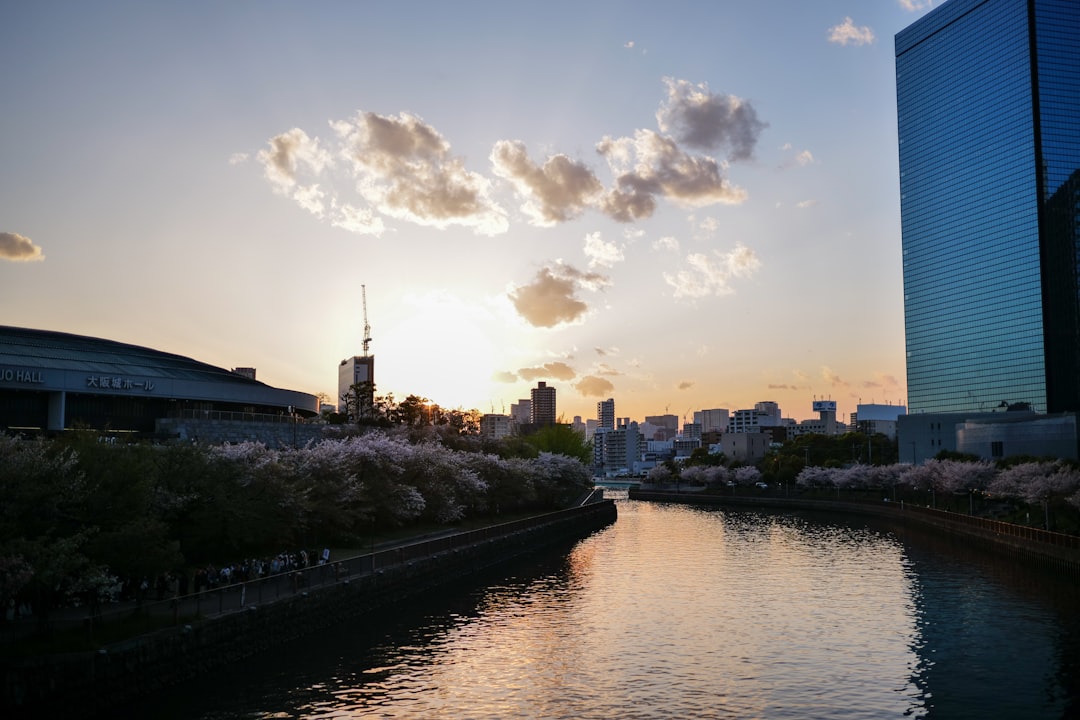
The ownership structure of the Osaka integrated resort (IR), slated to open in 2030, faces a credible scenario of change. On June 1, People Inc. (NASDAQ: PPLI, formerly IAC), led by U.S. businessman Barry Diller, formally announced a takeover proposal for MGM Resorts International (NYSE: MGM), as reported by Reuters. The offer stands at $48.30 per share — a premium of approximately 10.6% over the previous closing price — implying a total enterprise value of more than $18 billion. People Inc. already holds a 26.1% stake in MGM and seeks to acquire the remaining shares in cash to become a controlling shareholder with more than 50.1%. MGM’s share price surged more than 16% following the announcement. According to Casino.org, Vitaly Umansky, an analyst at U.S.-based Seaport Research Partners, stated that if the acquisition proceeds, there is ‘a certain probability’ that People Inc. would divest MGM’s Asian assets — namely MGM China in Macau (a 56% interest valued at an estimated $3.04 billion) and the Osaka IR (a 40% interest valued at an estimated $3.56 billion). The combined estimated value of both assets is approximately $6.6 billion, representing more than one-third of the total offer value. People Inc. has not officially indicated any intention to sell its Asian assets.
Business Impact Analysis
The most significant impact of this takeover bid on the Osaka IR project is the risk of an ownership change. MGM is co-developing the Osaka IR with Orix Corporation, holding a 40% stake. Should that stake be divested, uncertainty would arise in the construction and infrastructure sector around contractor relationships and supply chain commitments. A change in project leadership at this stage — with design and construction phases already under way — could affect both the timeline and technical specifications.
In the finance and investment sector, the terms of project financing arranged for the Osaka IR and investors’ capital planning could be subject to review. Hospitality strategies and system-vendor contracts premised on the MGM brand may also require redesign depending on any incoming operator’s strategic priorities.
Conversely, should MGM’s Osaka stake come to market, it would present an entry opportunity for overseas operators or investment funds seeking their first foothold in Japan’s inaugural IR. Umansky noted that the depth of potential buyers is greater for the Macau asset, given the difficulties associated with market access there.
A notable downstream consideration involves BetMGM, the 50/50 joint venture between MGM and Entain Plc (OTC: GMVHY). Given Diller’s track record in restructuring internet-focused businesses, some observers have raised the possibility that he may seek full ownership of BetMGM.
This proposal also marks the second major M&A transaction in the casino industry within a single week. On May 28, Fertitta Entertainment agreed to acquire and take Caesars Entertainment private in a deal valued at $17.6 billion, underscoring an accelerating wave of sector consolidation.
Editorial Review
Several important caveats must be established at the outset.
Although People Inc. has formally submitted its takeover proposal, MGM’s response — whether acceptance or rejection — has not yet been made public. The Asian asset divestiture scenario remains a hypothesis articulated by Umansky as reflecting ‘a certain probability’; People Inc. has not officially signalled any intention to sell. It is also worth noting that some reader commentary on related news reports has pointed out that Diller himself has publicly expressed strong interest in the Asian operations and the Osaka project.
The offer price also warrants attention. Multiple analysts, including Umansky, have characterised the $48.30 per share figure as too low, in part because the value of the Asian assets has not been adequately reflected. Paradoxically, it is precisely the value of those Asian assets that could become the central focus of any subsequent negotiation.
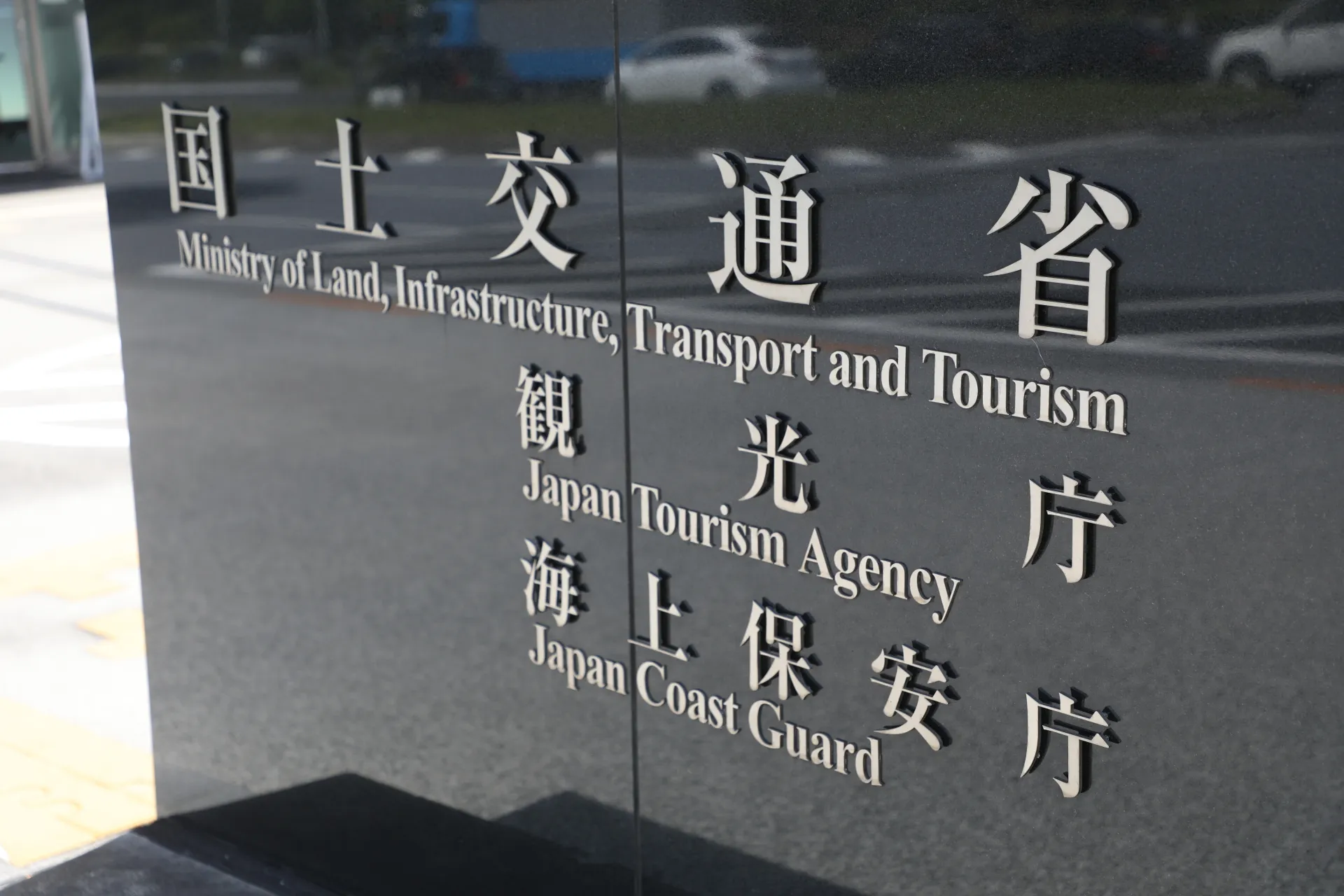
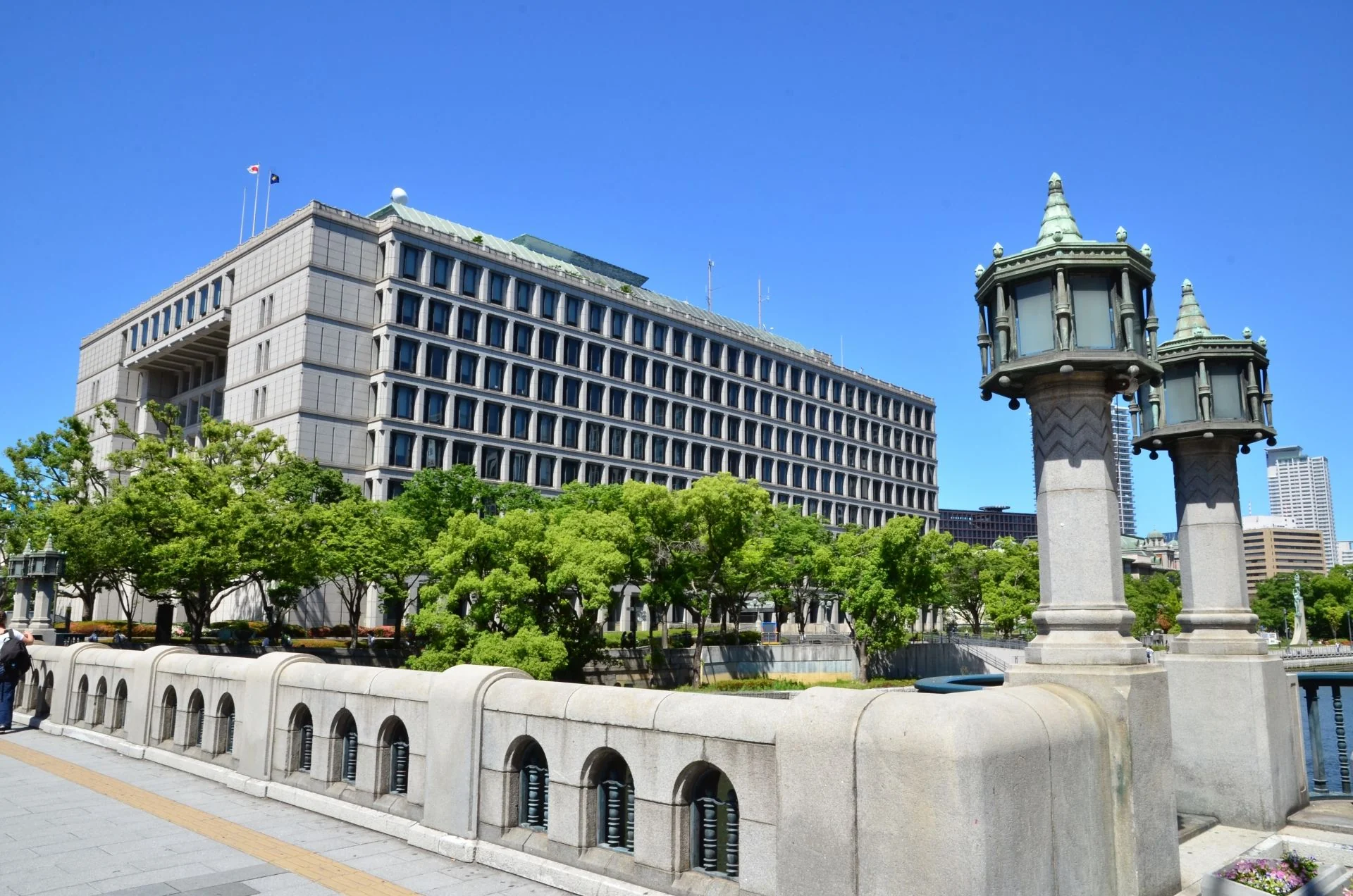
From a structural-risk perspective for the Osaka IR, any change of operator would trigger approval processes involving the Osaka Prefectural and City governments as well as the national government. New operator qualification reviews and amendments to the Area Development Plan would be required, making some impact on the opening schedule unavoidable. This could be the first instance in which the operator-change provisions under Japan’s IR Promotion Act are genuinely tested — a matter of considerable policy significance.
Practical insights for business stakeholders: construction and facilities companies should review the flexibility provisions in their contracts; IT vendors should prepare for multi-operator compatibility scenarios; and operators or funds considering market entry should begin analysing potential entry scenarios now.
Sources
- https://jp.reuters.com/markets/japan/TN6MBNP3CRP3JAOKB5IWWGBJGQ-2026-06-01/
- https://www.casino.org/news/seaport-mgm-could-unload-macau-japan-casinos-in-diller-takeover/
This article was produced with the assistance of AI and checked for accuracy by a human editor before publication. Please always verify against the original sources before making any business or investment decision.