



News Summary
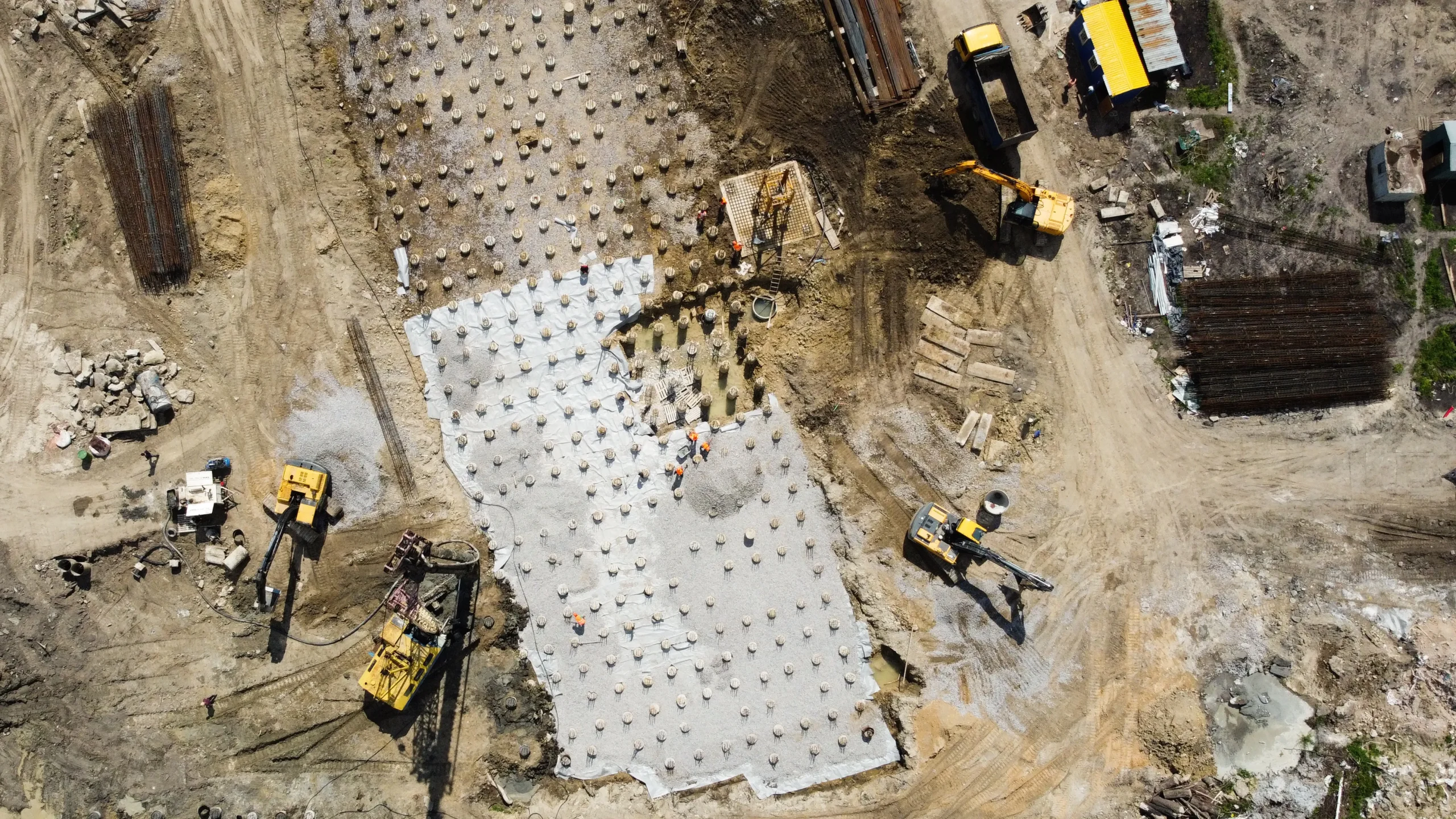
MGM Resorts reported on the construction progress of the Osaka IR at its Q3 FY2026 earnings call. Approximately 70% of foundation piles have been completed, overall project progress stands at roughly 11%, and the 2030 opening remains on schedule and within budget.
MGM Resorts International disclosed the latest status of the Osaka IR project at its third-quarter (Q3) FY2026 earnings call held on 28 October 2026. President and CEO Bill Hornbuckle stated that the project is proceeding on schedule and within budget, with no change to the 2030 opening timeline. Approximately 70% of foundation piles have been driven, and overall project completion stands at roughly 11%. CFO Jonathan Halkyard noted that approximately ¥114 billion has been spent in Japan to date, with plans to complete funding contributions of approximately ¥150–160 billion (roughly US$1 billion) in each of 2027 and 2028. Financing will be met through cash on hand and free cash flow, and the full amount has been secured through a combination of equity contributions from MGM and Orix and a domestic Japanese senior credit facility.
Business Impact Analysis
For the construction sector, the 70% completion figure for foundation piles signals that the transition from below-grade structural work to superstructure construction is drawing near, with procurement of steel frame, structural shell, and mechanical and electrical works likely to accelerate from 2027 onward. With approximately ¥150–160 billion in capital deployment expected in each of two consecutive years, general contractors and subcontractors are entering a phase of expanding order opportunities.
For the investment and finance sector, the fact that a domestic Japanese senior credit facility has already been arranged is a noteworthy development. At the same time, MGM’s consolidated revenue declined 1% year-on-year, and how investors assess the financial burden of large-scale capital deployment into the Japan project will be a key focal point.
For tourism and hospitality, the reaffirmation by senior management that there is ‘no slippage’ in the 2030 opening timeline gives surrounding accommodation, food and beverage, and transport operators a clearer basis on which to firm up their own pre-opening preparation schedules.
For IT and technology, the approaching transition to superstructure construction is expected to accelerate procurement planning for smart building management systems and casino management systems, and vendors are entering the stage of determining the optimal timing for formal proposals.
Editorial Review
The figures disclosed at this earnings call carry significant weight for industry stakeholders as early quantitative evidence of the ‘health’ of the Osaka IR project. The juxtaposition of 70% pile completion against an overall progress rate of just 11% speaks volumes about the scale of below-grade work required on Yumeshima, the artificial island constructed on reclaimed land. As this publication examined in Yumeshima IR Ground Risk: ¥78.8B Remediation Plan and Transparency Debate, soft-ground countermeasures represent the single largest risk variable in terms of both schedule and cost; the explicit ‘within budget’ declaration at this stage provides a degree of reassurance.
On the risk side, the concentration of approximately US$1 billion in annual expenditure in each of 2027 and 2028 is a factor that warrants attention. Should currency volatility and rising construction material costs coincide, the assumptions underpinning the ‘within budget’ assertion could come under pressure.
Furthermore, the share-price upside scenario set out in JPMorgan Values Osaka IR at $19/Share Now, Up to $31 at Opening, which this publication reported in June, is predicated on the absence of schedule delays or cost overruns, making continued close monitoring of progress reports essential.
On the policy front, the Japan Tourism Agency’s evaluation published in October under its fiscal year Reiwa 7 (2025) assessment flagged outstanding issues relating to inbound promotion and the designated use of casino revenue. Even as the hardware side advances smoothly, whether the software — the policy and operational infrastructure — keeps pace will be a decisive factor in post-opening profitability.
For business professionals seeking commercial opportunities, the most important near-term signal is the impending transition to superstructure works: procurement of interior fit-out, building systems, and IT infrastructure is set to move into full swing within the next one to two years. MGM’s explicit confirmation that financing is ‘fully secured’ reduces counterparty credit risk for suppliers and may serve as a compelling reason to advance proposal timelines.
Sources
- MGM Resorts International (MGM) Q3 2026 Earnings Call Transcript
- MGM RESORTS INTERNATIONAL REPORTS THIRD QUARTER 2026 FINANCIAL AND OPERATING RESULTS
This article was produced with the assistance of AI and checked for accuracy by a human editor before publication. Please always verify against the original sources before making any business or investment decision.