
News Summary
Osaka IR development is on track, but the developer tender for the 50-hectare expo site has been pushed back to June due to prolonged negotiations over Grand Roof Ring preservation. Demolition is also behind schedule, with 11 unpaid-claims lawsuits filed. The land-return deadline is end of February 2028.
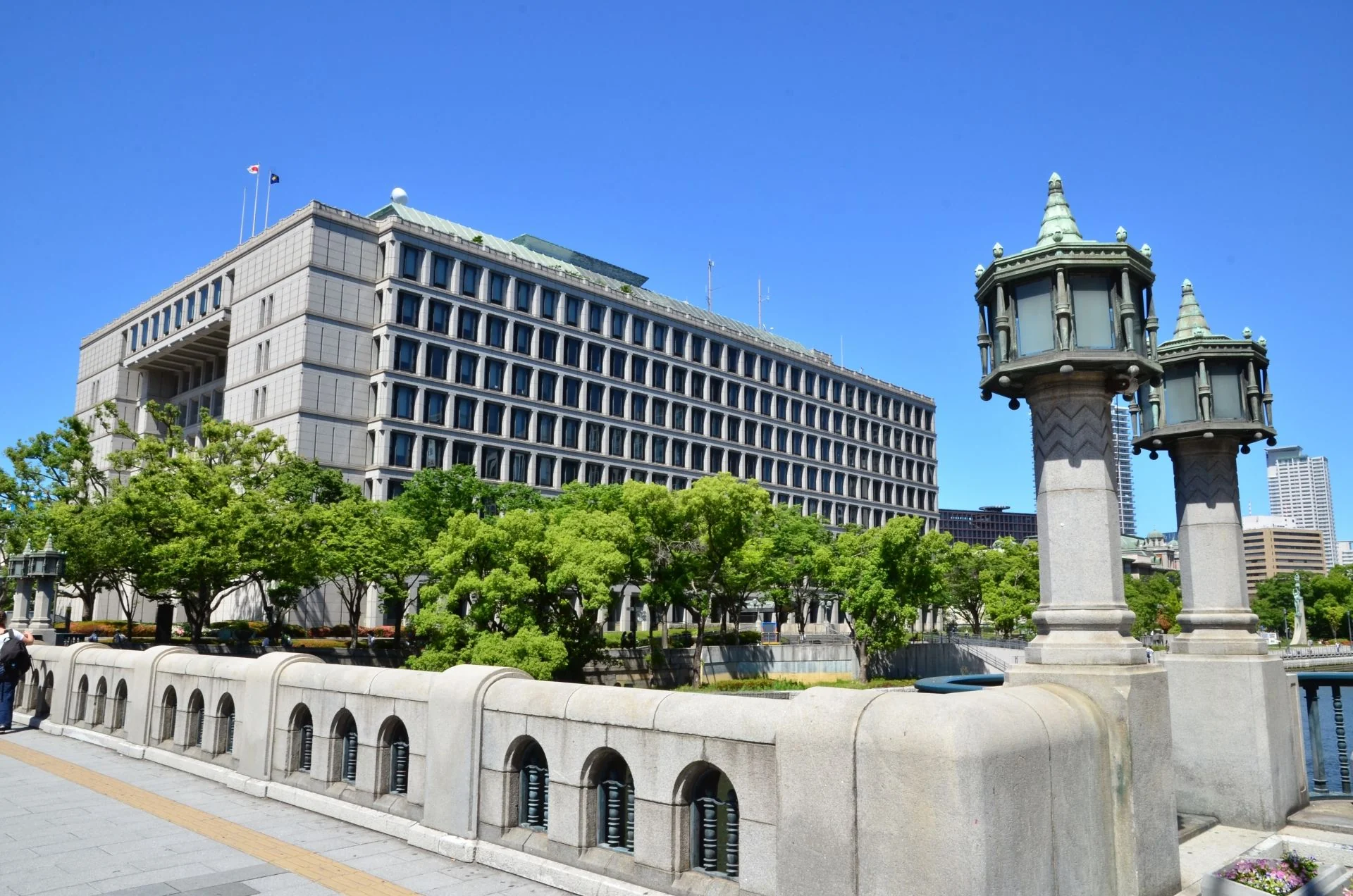
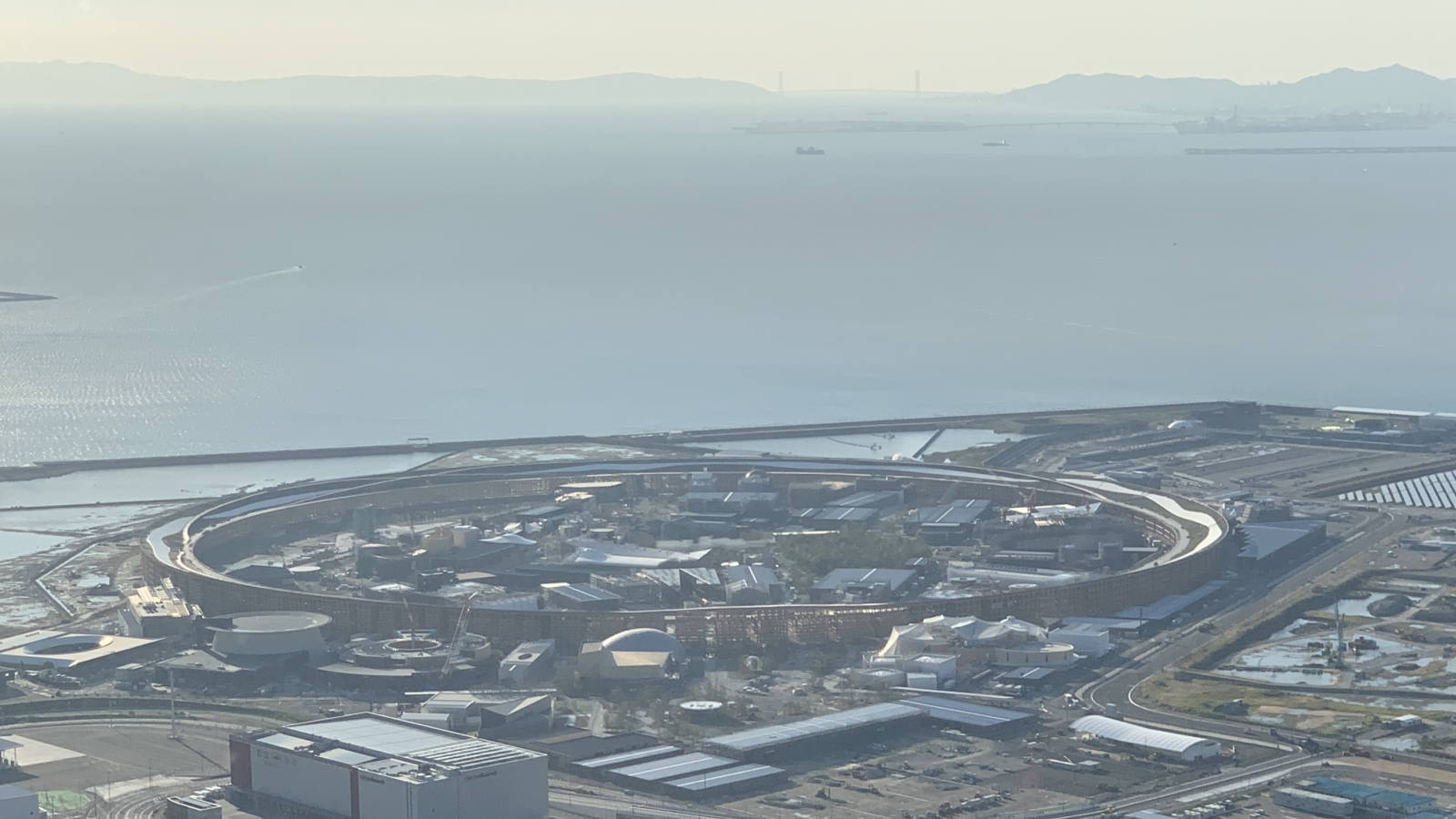
As of April 12, 2026 — six months after the close of Expo 2025 Osaka Kansai — construction of the integrated resort (IR) on the northern section of Yumeshima is progressing on schedule, according to reports including The Japan News. However, the public tender for development of the approximately 50-hectare central zone of the former expo site has fallen behind. The Osaka Prefectural and City governments have completed a master plan, but protracted negotiations over the preservation of the Grand Roof Ring have pushed the tender — originally planned for last autumn — back to around June 2026.
Pavilion demolition has also failed to meet the original deadline of April 12. Several structures, including the Czech and Turkmenistan pavilions, remain standing, and the deadline is expected to be extended to July. Reports further indicate that unpaid subcontractor claims linked to 11 overseas pavilions have resulted in litigation in some cases.
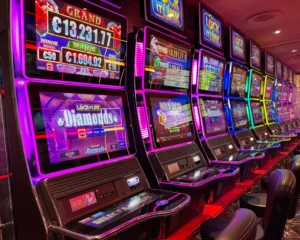
The deadline for returning the land to the City of Osaka is the end of February 2028. On the IR construction front, the foundations for the 27-storey casino-hotel tower are already visible, with an opening target of autumn 2030. A City of Osaka official has stated a desire to ‘create synergies with the IR,’ making the integrated utilisation of the expo site and the ongoing IR development a central policy challenge.
Business Impact Analysis
The demolition delays and unpaid-claims dispute are rippling across multiple sectors.
Construction & Infrastructure: Unpaid subcontractor claims involving more than 11 firms have escalated to litigation, once again highlighting the critical importance of credit-risk management and contract administration for general contractors. With the land-return deadline fixed at the end of February 2028, any further delays in demolition and site restoration will generate additional costs and legal exposure.
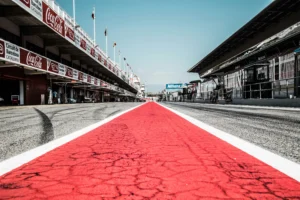
Real Estate & Investment: Although a master plan is already in place, the postponement of the developer tender to around June has pushed back the decision-making timelines of institutional investors and developers alike. Two leading concept proposals — a circuit racing facility and a water park — have already been selected, meaning companies considering a bid must frame their preparations around these directions from the outset.
Tourism & Hospitality: The IR alone carries strong visitor-attraction potential (targeting approximately 20 million annual visitors for its autumn 2030 opening), but the pace of development on the adjacent expo site will directly affect average length of stay and per-visitor spending.
IT & Smart City: The master plan explicitly calls for the construction of a smart-city platform; however, until developers are formally appointed, detailed procurement specifications cannot be finalised. Opportunities to propose digital infrastructure, MaaS solutions, and urban operating systems remain on hold. That said, this period can equally be viewed as a prime window in which to establish dialogue channels with the relevant authorities.
Editorial Review
Market Structure Analysis
A critical distinction must be made clear. IR construction on Yumeshima is a settled matter — foundation work is already under way. The uncertainty lies not with the IR itself but with the delayed developer tender for the approximately 50-hectare central zone of the former expo site. Master Plan Ver. 2.0 was finalised as of June 2025, and leading proposals from the Obayashi Group (circuit facility) and the Kansai Electric Power Real Estate Group (water park) have already been selected.
Key Risk Factors
1. The litigation arising from unpaid subcontractor claims elevates the financial and legal risk profile of the Japan Association for the 2025 World Exposition, with potential knock-on effects for the land-return schedule (deadline: end of February 2028).
2. A June tender launch is contingent on the conclusion of negotiations over Grand Roof Ring preservation; a prolonged impasse could push the timeline back further.
3. The IR is targeting an autumn 2030 opening, but if development of the adjacent expo site lags behind, the synergistic visitor-attraction effect will be materially limited.
Policy Implications
The top priority for the Osaka Prefectural and City governments is to reach a timely decision on the Grand Roof Ring preservation issue and execute the June tender without further delay. On the unpaid-claims front, the Japan Association for the 2025 World Exposition must act as an effective mediator to prevent protracted litigation — an outcome that would directly complicate the smooth handover of the site.
Insight for Business Professionals Exploring Opportunities
Given that a master plan and leading concept proposals are already in place, companies considering participation in the tender are no longer at a ‘blank-sheet proposal’ stage. The priority now is to begin forming concrete consortia aligned with either the circuit-facility or water-park concept. Those exploring entry through PPP (public-private partnership) structures or in the MICE and smart-city space should begin that work immediately, with the June tender launch in view — doing so is the key to securing a leadership position once plans are formalised.
Sources
This article was produced with the assistance of AI and checked for accuracy by a human editor before publication. Please always verify against the original sources before making any business or investment decision.