


News Summary
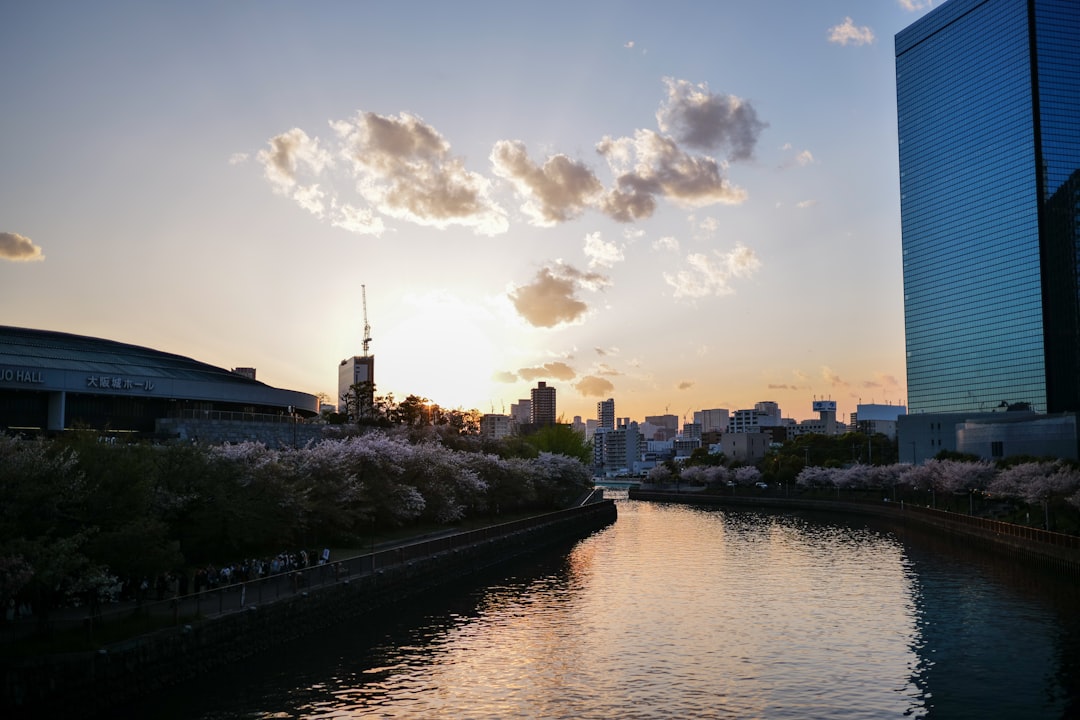
Under the mid-range scenario, the Yumeshima IR facility is estimated to generate demand for 1,645 foreign workers in its third year of operation, comprising 894 in accommodation and food services and 309 in lifestyle-related services and entertainment (including casino operations).
Tomoya Suzuki, Associate Senior Researcher at the NLI Research Institute, has published estimates combining the employment-creation projections in the nationally certified Osaka IR district development plan with industry-specific foreign-worker dependency ratios. Under the mid-range scenario, the Yumeshima IR facility alone will require 1,645 foreign workers in its third year of operation, broken down as 894 in accommodation and food services and 309 in lifestyle-related services and entertainment (including casino operations). When ripple effects across the broader Kinki region are included, demand is projected to reach a cumulative total of approximately 18,000 workers over the five-year construction period (an annual average of 3,662), and roughly 10,000 in the third year of operation. The report identifies as a regulatory issue the absence of a defined residency status applicable to front-line casino personnel such as dealers, and calls on the national government to provide clarification at the earliest opportunity. The figures are model-based estimates derived from assumed parameters and do not reflect actual employer hiring surveys.
Business Impact Analysis
The implications of these projections span multiple sectors.
For the staffing and HR industry, a critical data point is the near-tripling of foreign-worker demand in accommodation and food services across the Kinki region as a whole — from 1,592 in year one of operation to 4,943 in year two. Foreign-worker recruitment support and multilingual training programmes are likely to emerge as new business opportunities for labour-market service providers in the Kansai region.
In the construction sector, an annual average of 3,662 foreign workers will be needed over the five-year build period. The aggregate impact may be partially cushioned by workforce migration from Expo construction projects, but a concern arises from the likelihood that the peak construction period around 2028 will coincide with the Specified Skilled Worker (tokutei gino) visa category approaching its acceptance cap. The risk that construction timelines could slip — driven initially by smaller subcontractors struggling to secure labour — warrants close attention.
For casino operators, the risk lies in the ambiguity surrounding residency status. Because the IR Implementation Act prohibits individuals who have not passed Casino Regulatory Commission screening from engaging in casino operations, any delay in establishing a compatible visa framework will leave the entire staffing plan for specialist personnel — including dealers — in limbo. The Specified Skilled Worker scheme is considered ill-suited to certifying labour shortages in the gaming sector, while the ‘Engineer / Specialist in Humanities / International Services’ (gijin-kokusai) category has been questioned for its applicability to front-line operational roles. Investors should factor in the indirect risk that regulatory delays could pose to the opening schedule.
Editorial Review
The significance of this report lies in its quantification of the Osaka IR’s employment-creation effect through the specific lens of foreign-worker demand. The methodology — applying industry-level foreign-worker dependency ratios to the employment projections contained in the nationally certified district development plan — is a model-based exercise built on assumptions and may diverge from actual hiring outcomes. Nevertheless, at a time when the Kansai region faces chronic labour shortages, the report makes a valuable contribution to policy debate by making visible which industries will bear what degree of additional pressure when the IR opens.
From a regulatory standpoint, the most noteworthy point is the continued absence of a defined residency status for casino personnel. The IR Implementation Act bars anyone who has not undergone Casino Regulatory Commission screening from performing casino duties, meaning that recruitment of front-line staff — dealers included — cannot proceed until both a functional screening regime and a compatible visa framework are in place. Given a target opening of around autumn 2030, any lag in establishing that framework threatens to become a direct bottleneck in workforce readiness.
As this publication reported in May, in Osaka IR: Employee Housing Next — Orix Executive Cites Hardware Progress, the operator signalled that progress on the physical infrastructure is largely on track. This report throws into sharp relief the widening gap between that hardware progress and the software dimension — most critically, the institutional foundations needed to secure the workforce.
For business professionals seeking opportunities in this space, the actionable insight is this: once the visa framework begins to take shape, early demand can be anticipated in housing and settlement support services for foreign workers, multilingual HR-tech platforms, and recruitment and training businesses specialising in the gaming sector. Identifying the precise moment when the regulatory gap is filled will be the key to timing any market entry decision.
Sources
- https://www.nli-research.co.jp/report/detail/id=86821?site=nli
- https://sigma.world/news/osaka-ir-foreign-workers-croupier-visa/
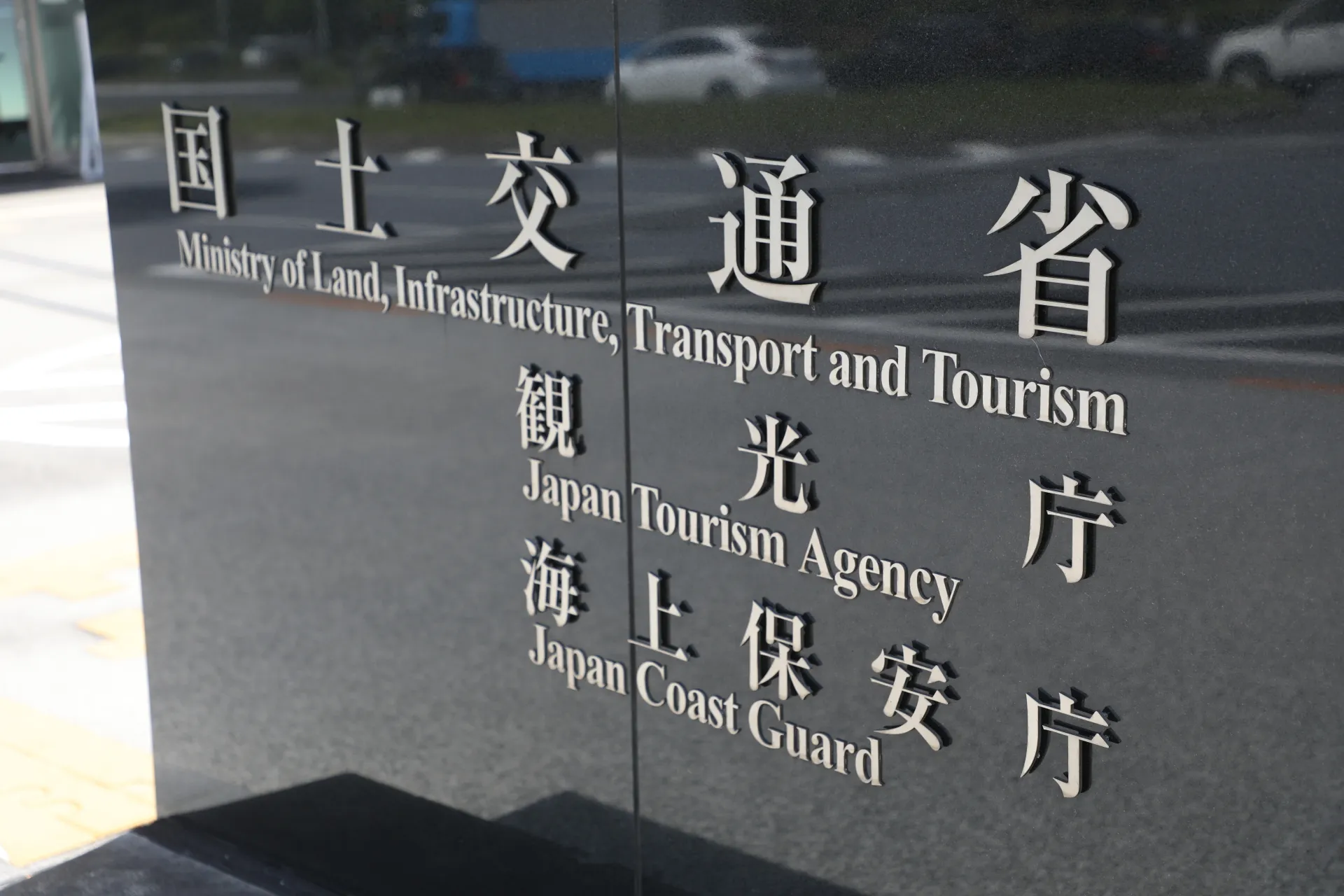
- https://www.mlit.go.jp/kankocho/seisaku_seido/kihonkeikaku/inbound_kaifuku/ir/tokuteifukugokanko.html
This article was produced with the assistance of AI and checked for accuracy by a human editor before publication. Please always verify against the original sources before making any business or investment decision.