

News Summary
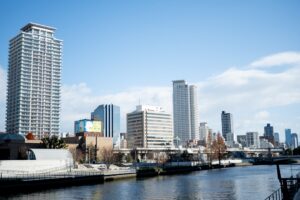
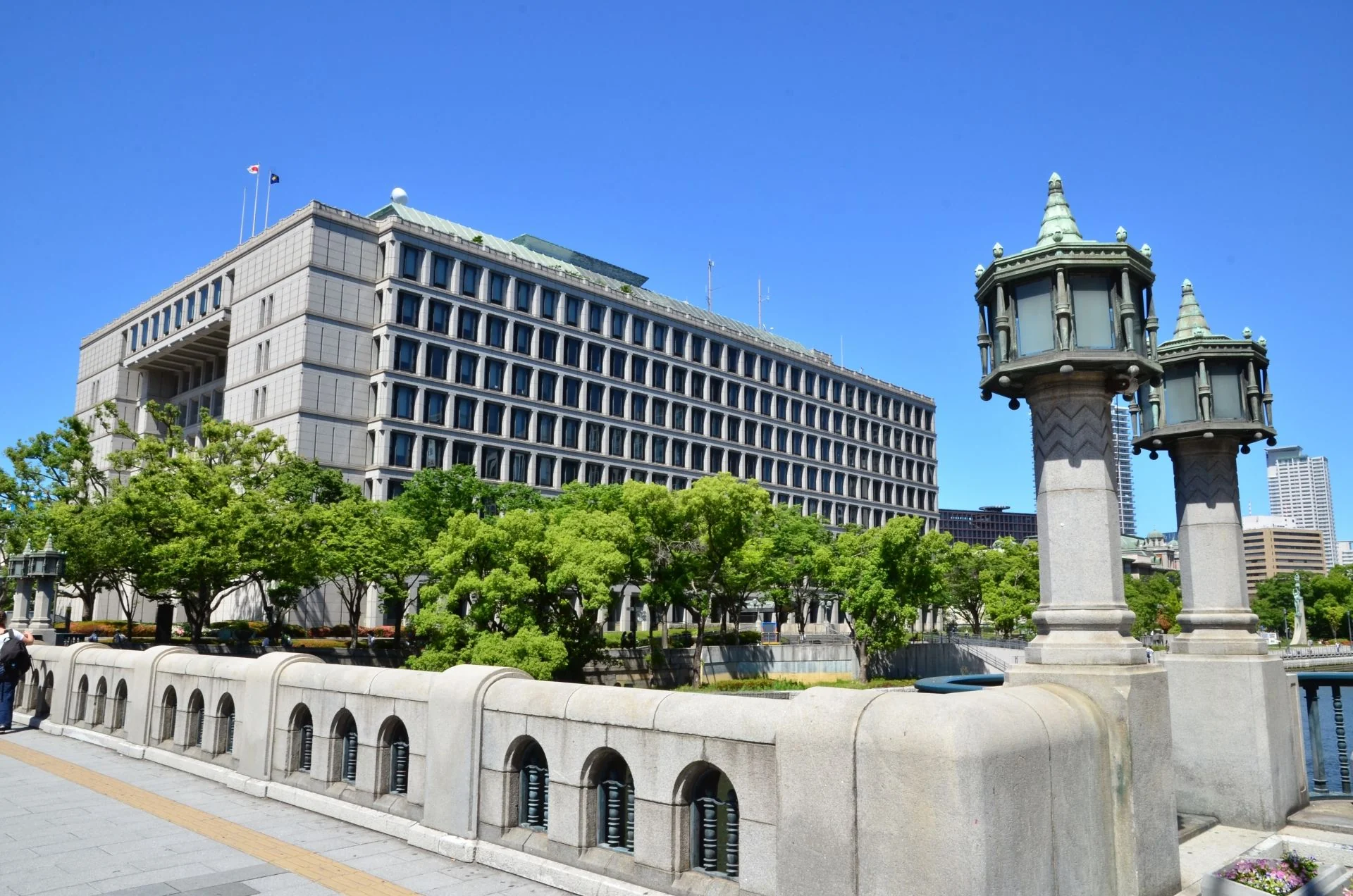
JR West has established a study group with Osaka Prefecture and the City of Osaka aimed at extending its rail line to Yumeshima, the planned IR site, and will examine new station locations and routing options in detail.
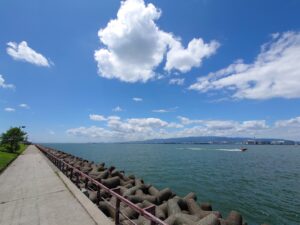
According to TV Asahi Broadcasting (ABC) and other outlets, JR West (West Japan Railway Company) has established a joint study group with Osaka Prefecture and the City of Osaka to examine a potential rail line extension to Yumeshima — the artificial island designated for the planned integrated resort (IR). The group, launched in March 2026, will evaluate candidate station locations and routing options. Rail access to Yumeshima has already been partially addressed through the extension of the Osaka Metro Chuo Line, completed in conjunction with the 2025 Osaka-Kansai Expo. Should a JR West extension materialise, it would significantly strengthen the broader regional transport network. With tens of millions of annual visitors projected following the IR opening, diversifying transport infrastructure has become a critical priority, and this study group marks a concrete step toward public-private collaboration on that front.
Business Impact Analysis
The establishment of this study group carries the most direct implications for the construction and infrastructure sector. A JR West line extension would require major civil engineering works — potentially including a new undersea tunnel or bridge crossing, station construction, and track installation — creating procurement opportunities potentially worth hundreds of billions of yen for general contractors and specialist subcontractors alike.
In real estate, attention is already turning to land value movements in areas near prospective new station sites, with transit-oriented development (TOD) concepts and corridor development strategies expected to accelerate.
For the tourism and hospitality industry, direct connectivity to JR West’s wide-area rail network would dramatically improve access from outside the Kansai region, boosting the IR’s visitor catchment and stimulating demand for accommodation in the surrounding area.
For investors and financial institutions, attention will focus on project structuring and financing mechanisms — including PPP and PFI frameworks — with infrastructure fund participation and project finance deal origination anticipated.
That said, significant uncertainties remain: route selection, environmental impact assessments, and the risk of cost overruns could all weigh heavily on the timeline. The possibility of project delays should be factored into any business planning.
Editorial Review
From a market-structure perspective, access to Yumeshima currently relies entirely on the Osaka Metro Chuo Line extension — a single-point-of-dependency that has long raised concerns about capacity adequacy once the IR opens at full scale. Against that backdrop, a cluster of related developments has recently gained momentum: the previously reported Keihan Electric Railway extension plan to Yumeshima, the Kintetsu Railways direct-service concept from Nara and Mie prefectures, and the Kansai Association of Corporate Executives’ proposal for extending visitor flows to Shikoku and the San’in region are all gaining traction. JR West’s entry into the picture signals a meaningful shift toward building genuine redundancy into Yumeshima’s rail access — a move that could fundamentally reshape the transport infrastructure market.
Critically, JR West operates an extensive network spanning bullet-train and conventional rail services across a wide geography. Its participation opens the prospect of direct connectivity not only from major Kansai cities such as Kyoto, Kobe, and Nara, but also from the Chugoku and Shikoku regions — a differentiating factor that Osaka Metro simply cannot replicate.
On the risk side, the artificial-island setting of Yumeshima presents inherent challenges: difficult ground conditions, the technical complexity of a sea crossing, escalating construction costs, and the potential for protracted environmental review processes all warrant careful monitoring. Alignment with the post-Expo Yumeshima development schedule will also require close scrutiny.
From a policy standpoint, the involvement of both Osaka Prefecture and the City of Osaka in the study group suggests that public financial support and special urban-planning provisions are a realistic possibility. The project’s positioning within the national Land for Growth Transport Council framework, and how it is prioritised relative to Shinkansen extension programmes, will be key issues to watch.
For business professionals seeking actionable opportunities, an early assessment of land ownership and rights in areas near candidate station sites would be a prudent first move. Advancing feasibility studies for commercial and hotel development around prospective new stations ahead of formal plan adoption could secure a competitive advantage once the project crystallises. In the IT sector, there is considerable scope for solution providers to propose smart-station concepts and MaaS (Mobility as a Service) integration tailored to next-generation transport infrastructure. Tracking the progress of this study group’s deliberations — and acting at the right moment — will be essential.
Sources
This article was produced with the assistance of AI and checked for accuracy by a human editor before publication. Please always verify against the original sources before making any business or investment decision.